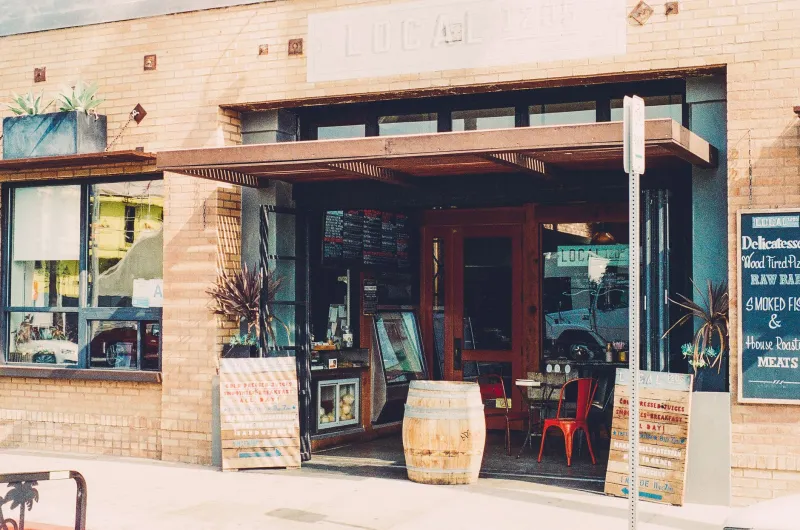
New Name on the Door, Same Stool at the Counter: How to Decide If You'll Give a Café a Second Chance
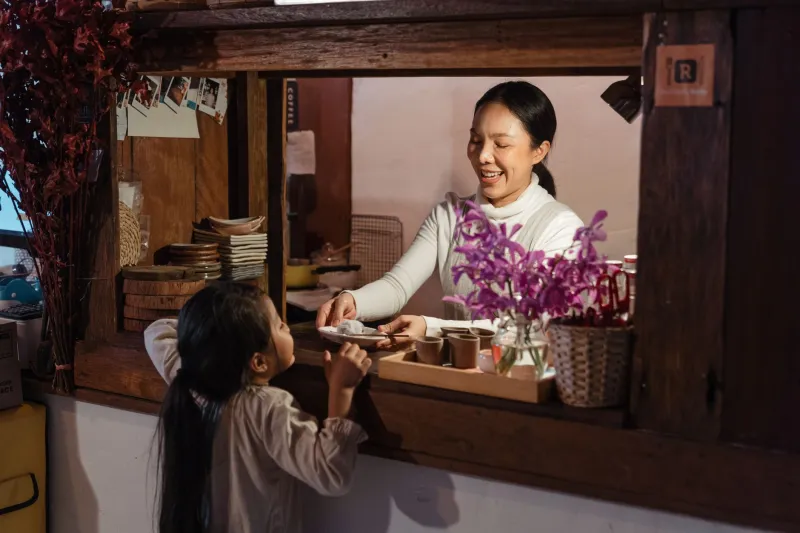
You walked in on a Tuesday like you always do. Same corner table. Same order forming in your head before you even hit the door. But something was off. The handwritten chalkboard menu was gone, replaced by a backlit digital display. The woman who knew your name — and your oat milk preference — wasn't behind the counter. And the playlist, that specific, slightly eclectic mix you'd come to associate with waking up slowly and feeling okay about the week ahead, had been swapped out for something that felt like it came with a licensing package.
Your coffee shop changed hands. And now you have a decision to make.
It's a surprisingly loaded one.
Why It Hits Different Than You'd Expect
People don't always realize how much emotional weight they've placed on a local café until something disrupts it. Your neighborhood spot isn't just where you get caffeine — it's part of your rhythm. It's where you had that hard conversation with your sister, where you wrote the first paragraph of your résumé, where you spent three Saturdays after the breakup because being around other humans felt safer than being alone.
When ownership changes, it can trigger something that feels disproportionate to the situation. You're not being dramatic. That place held real memories. The new owners didn't just buy an espresso machine and a lease — they inherited a community that had quietly knit itself around the old version of the space.
And they probably have no idea.
What New Owners Are Actually Dealing With
Here's the perspective that's easy to miss when you're mourning your old cortado: new café owners are often terrified. Many of them poured their savings, their weekends, and a significant chunk of their self-worth into acquiring a place they genuinely believe in. They may have loved the original shop themselves before they bought it.
But they also have vendors to renegotiate, staff to retain or rebuild, health codes to navigate, and a customer base that's quietly sizing them up from the moment the sign gets repainted. The pressure to both honor what came before and put their own stamp on the space is real — and the line between those two things is blurry on a good day.
Some changes are intentional reinventions. Others are just survival. When a new owner swaps out a coffee supplier, it might be because the old one was costing the previous owner more than anyone knew. When the hours shift, it could be because the previous schedule was quietly unsustainable.
Not every change is a betrayal. Some of them are just math.
The Grief Is Real, But So Is the Opportunity
There's a version of loyalty that looks backward — that says the only way to honor what you loved is to reject what replaced it. And honestly? That impulse is understandable. It's human.
But there's another kind of loyalty. The kind that shows up anyway. That orders something new because the old thing isn't on the menu anymore. That says good morning to the new barista even though it feels a little awkward. That gives the place six weeks instead of six days before rendering a verdict.
Community spaces earn their place slowly. The original café you fell in love with probably wasn't magic on day one either. It became magic because people kept coming back, kept bringing their friends, kept treating it like it mattered. A new owner can't manufacture that. But the regulars? They can help build it again.
How to Actually Navigate the Transition
If you're standing at the crossroads of stay or go, here are a few things worth considering before you make up your mind.
Give it a real window. One bad latte or one awkward interaction doesn't tell the full story. New café operations are messy. Staff is still finding their footing. The espresso calibration might genuinely be off for the first few weeks. Come back a handful of times before you decide.
Talk to someone who works there. Not to complain — just to connect. Ask what's new on the menu. Ask if the old pastry supplier is still around. You might be surprised how much the new team actually knows about what came before, and how much they want to get it right.
Notice what stayed. Good new owners usually preserve something — a signature drink, a community bulletin board, the same neighborhood vibe. Look for the threads of continuity before you focus entirely on the breaks.
Be honest about what you actually want. Sometimes what we want isn't a café to change back — it's just to feel seen in a new place. That's a reasonable thing to want. And it's something you can actually work toward by showing up with a little openness.
Know when it's okay to leave. If the new ownership has shifted the space in a direction that genuinely doesn't serve you — if the community feel is gone, the prices are out of reach, or the atmosphere no longer makes you feel welcome — it's okay to find somewhere else. Loyalty doesn't mean suffering through a space that no longer fits your life.
The Café That Becomes Something New
Some of the best neighborhood coffee shops in America exist because someone took over a struggling space and turned it into something that outlasted the original by decades. The regulars who gave it a chance became the foundation of something their kids would one day feel nostalgic about.
Other times, the change is too fundamental and the community scatters. That happens too. It's not always a failure of will — sometimes a space genuinely loses what made it home, and no amount of goodwill rebuilds that.
But you don't know which story you're in until you sit down with the new cup and actually taste it.
Your neighborhood café — this one, the one with the new sign and the slightly rearranged furniture — is still just a place where people come to feel a little less alone in their day. That part doesn't change with the deed.
Maybe pull up a stool and find out if this version has something to offer. You might be surprised what you find on the other side of the transition.