Your Couch Called. You Didn't Answer. How Coffee Shops Are Winning the Afternoon for Remote Workers
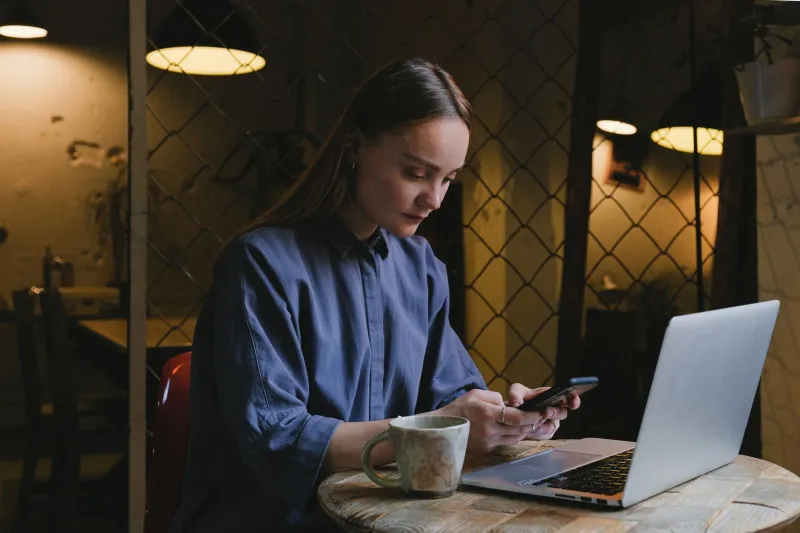
Somewhere around 1:45 on a Tuesday, something shifts. The morning's optimism — the fresh coffee, the clean to-do list, the brief illusion that today you'd finally stay focused — starts to curdle. The home office, which felt like freedom in 2020, starts to feel like a very comfortable trap. You've answered the same Slack messages in the same chair in the same room for the sixth day in a row, and the silence is starting to have a texture.
So you grab your laptop bag, your charger, and whatever's left of your dignity, and you walk into your neighborhood café.
You're not alone. Not even close.
The Afternoon Economy Nobody Planned For
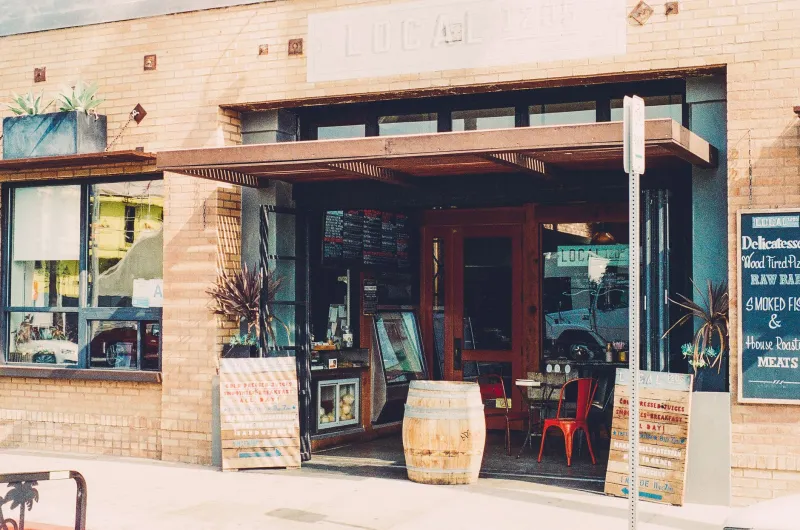
For decades, coffee shops built their business around two peaks: the morning rush and the weekend brunch crowd. The quiet hours between 1 and 5 p.m. were a dead zone — a time to restock cups, wipe down tables, and prep for the next day. Then remote work went from a niche perk to a defining feature of American professional life, and suddenly that dead zone became something else entirely.
It became the workday.
Independent cafés that once struggled to move pastries after noon are now reporting some of their most consistent afternoon foot traffic in years, driven almost entirely by remote workers and freelancers who've discovered that a $5 latte buys something a home office simply can't provide: the low hum of other human beings doing something productive nearby.
There's actually a name for this phenomenon in social science circles. It's called "body doubling" — the idea that working in the physical presence of others, even strangers, increases focus and accountability. Coffee shops have been accidentally providing this service for years. Now some of them are doing it on purpose.
What a "Stay-All-Day" Café Actually Looks Like
Not every coffee shop is built for the long haul, and the regulars know it within minutes of walking in. There's an unspoken taxonomy among remote workers: the quick-stop location versus the stay-all-day spot. The difference isn't always about square footage or menu size. It's about intention.
A quick-stop café is optimized for throughput. The tables are small and slightly uncomfortable by design. The music is a little too loud to think through anything complex. The wifi password is written on a chalkboard but nobody's tested the speed since the Obama administration. You can get a great espresso there, but you're not setting up a second monitor.
A stay-all-day café feels different the moment you walk in. The lighting is warmer in some corners, brighter in others — an unconscious signal that different kinds of activity are welcome. There are tables near outlets, and the outlets actually work. The background music sits somewhere in the 60-70 decibel range, which researchers have found is actually the sweet spot for creative thinking (not too quiet to feel isolating, not so loud you can't string a sentence together). The staff doesn't hover or make you feel like a squatter for ordering one thing and staying for three hours.
Some shops are going further. A handful of independent cafés around the country have started experimenting with afternoon "work hours" programming — designated quiet zones, reserved seating for members of informal coworking communities, and even curated playlists specifically designed for deep focus. It's coworking without the WeWork price tag or the startup-bro energy.
The WiFi Question Nobody Wants to Ask Out Loud
Let's be honest about something: wifi is a dealbreaker, and everyone knows it, but almost nobody asks about it before they sit down and open their laptop. There's a strange social awkwardness around the question, as if asking a barista about internet speed is somehow gauche.
It shouldn't be. For remote workers, reliable wifi isn't a luxury — it's the whole point of the trip. A café with spotty internet isn't a third space. It's just a noisy place where your video calls drop.
The shops that are winning the afternoon crowd have figured this out. They've invested in business-grade routers, separated their guest network from their point-of-sale system, and in some cases posted the actual download speed near the counter the way other places post their hours. It sounds like a small thing. It's not. It's a signal that the café understands what its afternoon customers actually need.
The Social Infrastructure Hiding in Plain Sight
Here's what doesn't show up in any business analysis of the remote work café trend: the loneliness piece.
Working from home erased a lot of things people didn't fully appreciate until they were gone. The spontaneous hallway conversation. The shared commiseration over a bad meeting. The colleague who noticed you seemed off and asked if you were okay. These weren't just nice-to-haves — they were the connective tissue of a working life, and for millions of Americans, they simply disappeared.
The café can't fully replace that. But it can offer something adjacent to it. The barista who remembers your usual order. The nod of recognition from the guy who's always in the corner with the oversized headphones. The small, low-stakes social interactions that remind you that you are, in fact, a person who exists in a community.
Some coffee shop owners have started thinking about this explicitly. They're hosting informal afternoon "office hours" events where remote workers can connect with each other. They're putting up community boards. They're designing their spaces less like quick-service food outlets and more like the kind of place where you might accidentally make a friend.
It's not a new idea — coffee houses have been social infrastructure since 17th-century London. What's new is the intentionality. The best independent cafés right now aren't just selling coffee. They're selling a version of the workplace community that remote work took away.
The Unspoken Rules of the Afternoon Regular
If you're going to be a stay-all-day customer, there's a quiet social contract worth understanding. Buy something every couple of hours — not because you're legally obligated to, but because the café is a business and the staff has to make rent. Don't take up a four-top table by yourself during a rush. Keep your video calls short, or take them outside. Don't ask the barista to watch your stuff while you run an errand that takes 45 minutes.
Most remote workers already know this. The ones who don't tend not to last long at the good spots — regulars have a way of making the vibe uncomfortable for people who treat the café like a free office with better ambiance.
The relationship between a café and its afternoon regulars works when it's genuinely reciprocal. The shop provides space, warmth, good coffee, and a sense of belonging. The customer provides consistent revenue, positive word of mouth, and the kind of ambient energy that makes a café feel alive rather than empty.
Why This Matters Beyond the Latte
There's a bigger story underneath all of this. The American workplace was already fracturing before the pandemic. Remote work accelerated something that was already in motion, and the social fallout — the isolation, the disconnection, the loss of professional community — is still being reckoned with.
Independent coffee shops, almost by accident, have stepped into that gap. They've become the place where remote workers go not just to be productive but to feel, however briefly, like part of something. A neighborhood. A community. A regular somewhere.
That's not nothing. In fact, at 2 p.m. on a Tuesday when the couch is calling and the walls are closing in, it might be exactly everything.